
Everything I Learned I Learned From Movies. A line associated with Audrey Hepburn.
A quiet night, a bowl of popcorn (or a bunch of snacks), and a screen lighting up with a movie scene. We often watch movies to be entertained, to escape, or to get lost in a good story. But sometimes, behind the laughter, tears, or fear, we also learn something. Beyond the car chases and the heart-touching romances, there are movies that offer real knowledge. Little pieces of wisdom that sometimes feel truer than what we learn in school.
Let’s revisit some movie lines that made us pause, think, and say, “Hmmm, make sense. I could apply this in my everyday life.”
1. Life was Like a Box of Chocolates
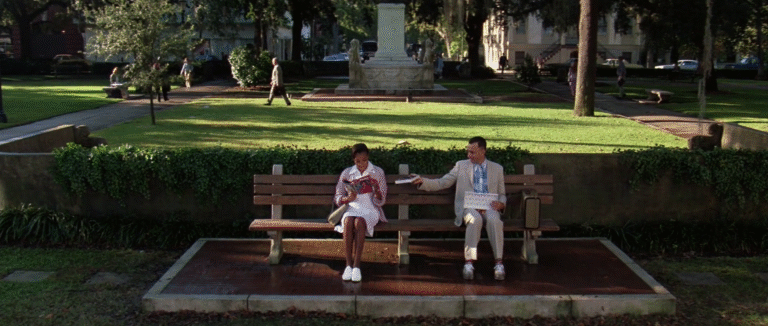
Forrest Gump (1994)
Forrest Gump (Tom Hanks): Hello. My name’s Forrest. Forrest Gump. Do you want a chocolate? I could eat about a million and a half of these. My mama always said life was like a box of chocolates. You never know what you’re gonna get.
This is about life being unpredictable.
We often think we can plan everything – our careers, relationships, or even daily routines. But suddenly, a job disappears, someone leaves, or a new opportunity shows up that we didn’t ask for but exactly what we needed. Sometimes a pandemic hits, there are sudden economic changes, or even just unexpected events that shift everything. That’s when we realize we don’t always have the wheel in our hands. But everything has a reason, and it’s all part of the bigger experience.
Well, that’s life. In the spin of the world, with results never guaranteed. The only thing we can do is accept and value the different experiences that come our way. Acceptance is the key.
Let’s accept everything that comes, even if we don’t know it yet. Accept different experiences and challenges, good or bad. When things don’t go as expected, we must learn to adapt or go with the flow. And we should stay open-minded to new experiences. What matters is how we respond: how we learn to ride the waves, trust the process, and still find meaning amid uncertainty. Sometimes, the unexpected is exactly what leads us to the place we’ve been searching for.
2. The Things You Own End Up Owning You
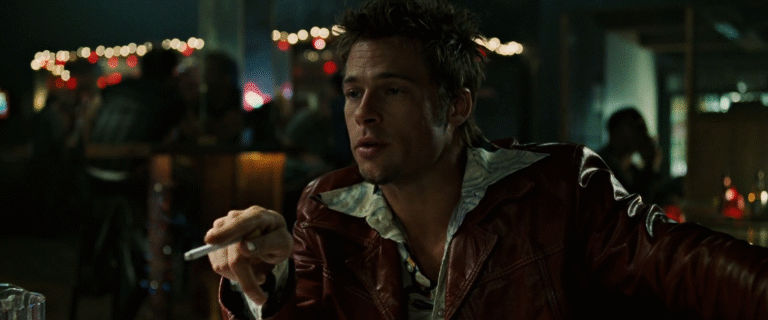
Fight Club (1999)
The Narrator (Edward Norton): I don’t know. It’s just… When you buy furniture, you tell yourself, “That’s it. That’s the last sofa I’m gonna need.” Whatever else happens, I’ve got that sofa problem handled. I had it all. I had a stereo that was very decent, a wardrobe that was getting very respectable. I was close to being complete. Now it’s all gone. All gone.
Tyler Durden (Brad Pitt): Do you know what a duvet is?
The Narrator: Comforter.
Tyler Durden: It’s a blanket. Just a blanket. Why do guys like you and I know what a duvet is? Is this essential to our survival in the hunter-gatherer sense of the word? No. What are we then?
The Narrator: We’re, uh… I don’t know. Consumers.
Tyler Durden: Right. We are consumers. We are by-products of a lifestyle obsession. Murder, crime, poverty… These things don’t concern me. What concerns me are celebrity magazines, television with 500 channels, some guy’s name on my underwear. So f*ck off with your sofa units… and Strinne green stripe patterns. I say, never be complete. I say, stop being perfect. I say, let-let’s evolve. Let the chips fall where they may. But that’s me, and I could be wrong. Maybe it’s a terrible tragedy.
The Narrator: Nah. It’s just… It’s just stuff. It’s not a tragedy, but…
Tyler Durden: Well, you did lose… a lot of versatile solutions for modern living.
The Narrator: F*ck. You’re right. My… My insurance is probably gonna cover it, so… What?
Tyler Durden: The things you own end up owning you. But do what you like, man.
This critiques materialism, overconsumption, and the freedom found in having less. A reflective take on society and life philosophy.
In today’s age of online shopping and “add to cart culture,” it’s easy to fall into the idea that happiness comes from the trendiest gadget, the newest phone, or designer items. Almost every day, we’re flooded with ads saying, “You deserve this. Buy it now,” and slowly, possessions become a measure of our worth. But in the end, it just tires us out. We pay debts, save up again for the next purchase, and sometimes, lose sight of what truly matters.
Having things isn’t bad, but it becomes dangerous when possessions that should make life easier start weighing us down. Material things, instead of giving freedom, often become burdens, sources of stress, and obstacles to our real achievements. Excessive desire for possessions can lead to a loss of freedom and identity. We become slaves to our own belongings and endless wanting of more.
It’s a reminder to re-evaluate what truly gives value to your life. Cherish experiences over possessions.
3. Hope is a Good Thing
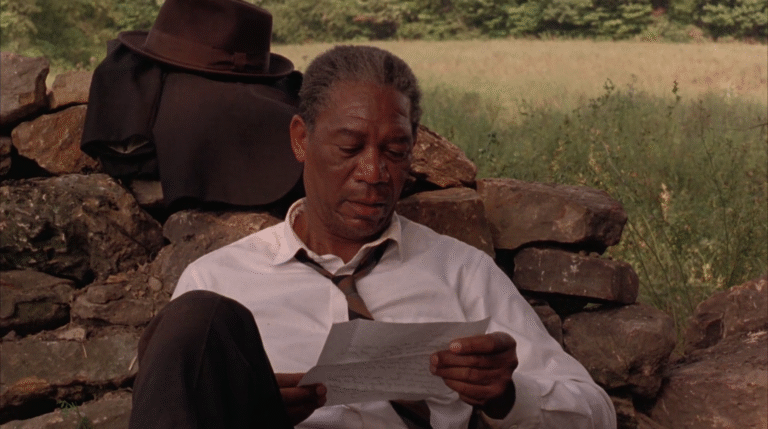
The Shawshank Redemption (1994)
Andy Dufresne (Tim Robbins): Remember, Red… hope is a good thing… maybe the best of things. And no good thing ever dies. I will be hoping that this letter finds you… and finds you well. Your friend… Andy.
This is about the strength and resilience that comes from hope, especially amid trials.
Imagine someone who lost everything after a tragedy but still rises every day. Despite the pain and exhaustion, they still hope for new opportunities—and that hope gives them strength. “Habang may buhay, may pag-asa.” (Where there’s life, there’s hope.) That’s a saying we Pinoys know well.
That’s the power of hope: believing in the light to come even if you haven’t seen it yet. You have the ability to stay strong and keep living, even in seemingly impossible situations. Keep your mind strong, your heart firm, and hold on to the power of hope that shines even in the darkest moments.
4. Carpe Diem
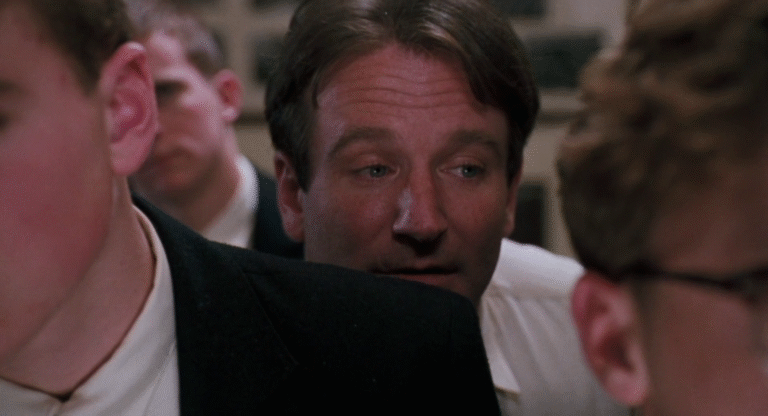
Dead Poets Society (1989)
John Keating (Robin Williams): “Gather ye rosebuds while ye may.” The Latin term for that sentiment is “Carpe diem.” Now who knows what that means?
Steven Meeks (Allelon Ruggiero): Carpe diem. That’s “Seize the day.”
John Keating: Very good Mister-
Steven Meeks: Meeks.
John Keating: Meeks. Another unusual name. Seize the day. “Gather ye rosebuds while ye may.” Why does the writer use these lines?
Charlie Dalton (Gale Hansen): Because he’s in a hurry.
John Keating: No! Ding! Thank you for playing anyway. Because we are food for worms lads. Because believe it or not each and every one of us in this room… is one day going to stop breathing turn cold and die. I would like you to step forward over here… and peruse some of the faces from the past. You’ve walked past them many times. I don’t think you’ve really looked at them. They’re not that different from you are they? Same haircuts. Full of hormones just like you. Invincible just like you feel. The world is their oyster. They believe they’re destined for great things just like many of you. Their eyes are full of hope just like you. Did they wait until it was too late… to make from their lives even one iota of what they were capable? Because you see gentlemen these boys are now fertilizing daffodils. But if you listen real close… you can hear them whisper their legacy to you. Go on lean in. Listen. Do you hear it? Carpe. Hear it? Carpe. Carpe diem. Seize the day boys. Make your lives extraordinary.
This is an invitation to embrace life, take risks, and find your own voice.
It’s about valuing every moment and actively shaping your path. Awareness, being true to yourself, and living with purpose are important. Break free from society’s expectations. Use your limited time to follow your own dreams. Don’t just exist. Leave a mark that people will remember about you.
Grab opportunities, focus on what brings joy, and savor the present, instead of always postponing happiness for the future.
5. People Should Not Be Afraid of Their Governments
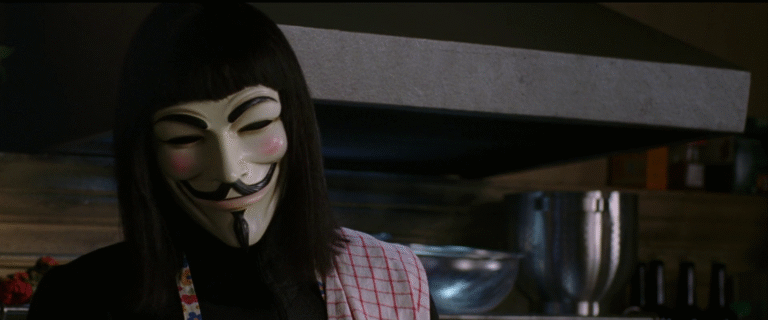
V for Vendetta (2005)
Evey Hammond (Natalie Portman): Can I ask about what you said on the telly? Did you mean it?
V (Hugo Weaving): Every word.
Evey Hammond: You really think blowing up Parliament’s going to make this country a better place?
V: There’s no certainty, only opportunity.
Evey Hammond: You can be pretty certain that if anyone does show up… Creedy’ll black-bag every one of them.
V: People should not be afraid of their governments. Governments should be afraid of their people.
Evey Hammond: And you’ll make that happen by blowing up a building?
V: The building is a symbol, as is the act of destroying it. Symbols are given power by people. Alone, a symbol is meaningless, but with enough people… blowing up a building can change the world.
Evey Hammond: I wish I believed that was possible. Every time I’ve seen this world change, it’s always been for the worse.
This line explains a core idea of democratic governance and the balance of power between government and citizens. It’s a political philosophy lesson on the ideal relationship in a free society, emphasizing citizens’ power.
When you’re a fanatic of a celebrity, a band, or a basketball player, when they’re sad, you’re sad too; when they’re happy, you’re happy too; if someone posts something positive about them, you share it; if someone criticizes them, you defend them. If criticism turns out true, you either stay silent or twist the story and look for someone else to criticize. That’s a typical Pinoy fanatic: wanting to prove that our idol choice is right.
The problem arises when we apply the same fanaticism to the people we choose to govern us. Our approach as citizens should be different from our approach as fans. When someone in office makes mistakes, don’t just shrug or blame others. Let them know they’re wrong. Think of yourself as the owner of the nation’s wealth who hired people to manage and grow it. If they misuse or waste it, would you be okay? No. You must hold them accountable or replace them. Ang mikrobyo ay pinapatay… hindi bini-baby. (A germ is killed, not pampered.)
6. Don't Ever Let Somebody Tell You... You Can't Do Something
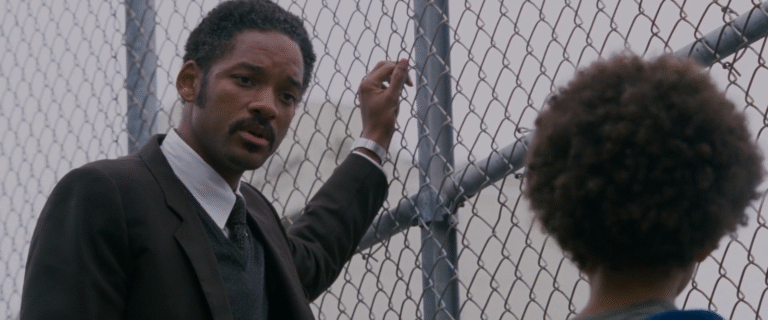
The Pursuit of Happyness (2006)
Christopher Gardner Jr. (Jaden Smith): Hey, Dad. I’m going pro. I’m going pro.
Chris Gardner (Will Smith): Okay. Yeah, I don’t know, you know. You’ll probably be about as good as I was. That’s kind of the way it works, you know. I was below average. You know, so you’ll probably ultimately rank… somewhere around there, you know, so… I really… You’ll excel at a lot of things, just not this. I don’t want you shooting this ball all day and night. All right?
Christopher Gardner Jr.: All right.
Chris Gardner: Okay. All right, go ahead. Hey. Don’t ever let somebody tell you… you can’t do something. Not even me. All right?
Christopher Gardner Jr.: All right.
Chris Gardner: You got a dream… you gotta protect it. People can’t do something themselves… they wanna tell you you can’t do it. If you want something, go get it. Period.
This teaches resilience, self-motivation, and overcoming negativity. It’s for anyone facing challenges or obstacles they want to conquer.
Sometimes, people try to block your ambitions or dreams. Maybe they’re projecting their own failures onto you. “They couldn’t do it, so you can’t either.” Don’t accept that. Protect your dreams and keep pursuing what you want. Don’t mind what others say. Never say die. Fight if you fight. No surrender.
Always trust yourself, stay strong, and keep going toward your plans and goals, even if many oppose or try to discourage you.
7. Anyone Can Cook
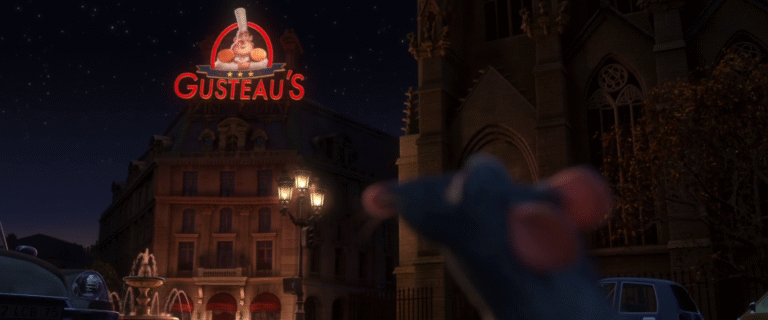
Ratatouille (2007)
Anton Ego (voiced by Peter O’Toole): In the past, I have made no secret of my disdain for Chef Gusteau’s famous motto, “Anyone can cook.” But I realize only now do I truly understand what he meant. Not everyone can become a great artist, but a great artist can come from anywhere. It is difficult to imagine more humble origins than those of the genius now cooking at Gusteau’s, who is, in this critic’s opinion, nothing less than the finest chef in France. I will be returning to Gusteau’s soon, hungry for more.
It’s a lesson about our potential as humans and how we can overcome obstacles toward success. Talent or skill may come from unexpected places. Our effort and perseverance can surpass any boundaries or expectations set by others.
In a college career talk, a speaker said that at first, he was scared and didn’t want to learn to drive. But when he tried, he became one of the road experts.
Don’t think you’re unqualified for an opportunity. Don’t be afraid or back down from new knowledge or life challenges. Always stay encouraged, believe you can try, learn, and succeed. “Paano ka tatama kung hindi ka tataya” (How will you win the lottery if you will not buy a ticket) as Parokya ni Edgar band says.
8. Happiness Only Real When Shared
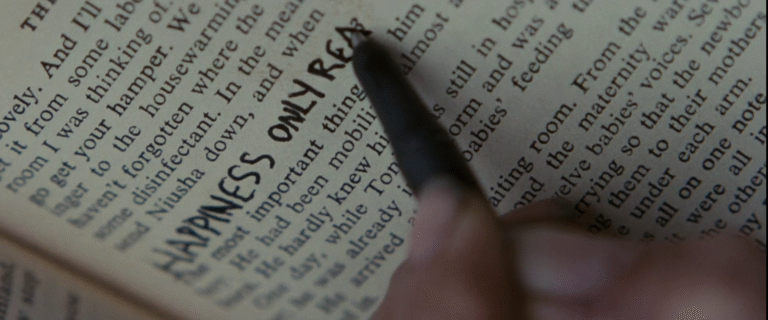
Into the Wild (2007)
Chris McCandless (Emile Hirsch): Happiness only real when shared.
This powerful lesson shows humans’ innate need for connection and sharing experiences. True happiness is complete only when shared with others. When joy reaches beyond ourselves and becomes part of a wider bond and love.
I remember: “Whatever you do in this life, it’s not legendary unless your friends are there to see it,” from the TV series How I Met Your Mother. If you fall and no one sees it, it’s boring to tell. But if your friends see it and laugh at you, the teasing at the party becomes fun. Hahaha.
True fulfillment isn’t measured by what we achieve or win in life, but by how we share moments of joy and success with those we care about.
9. The Same Thing That's Wrong With You Isn't Wrong With Me

Leave No Trace (2018)
Tom (Thomasin McKenzie): These people, they’re not that different from us.
Will (Ben Foster): Yes, they’ve been very good to us, but we have to…
Tom: You! You need. Not me. The same thing that’s wrong with you isn’t wrong with me.
Will: I know.
This is about personal identity and setting boundaries in relationships.
Your grandparents are doctors. Your parents are doctors. Your ancestors were healers. So it feels like you have no choice but to be a doctor too. What if you want to be a painter, a newscaster, a musician, or like Coco Martin in movies? Sometimes, we face dilemmas like this. We can’t express ourselves or escape traditions. We are forced to follow others’ paths even if we want to create our own. Some can’t step out of someone else’s shadow. Some are stuck in “my parent’s problem is my problem (or vice versa).” You can also relate this to people hesitant to come out because they worry about the impact on close relationships.
Children, or anyone in close relationships, shouldn’t just carry the weight or desires of others. Everyone has the right to choose their own path and determine their own well-being.
This is a crucial reminder for parents, partners, and friends: respect differences, don’t pass your issues onto others, and allow loved ones space to define their own happiness.
10. The Past is Just a Story We Tell Ourselves
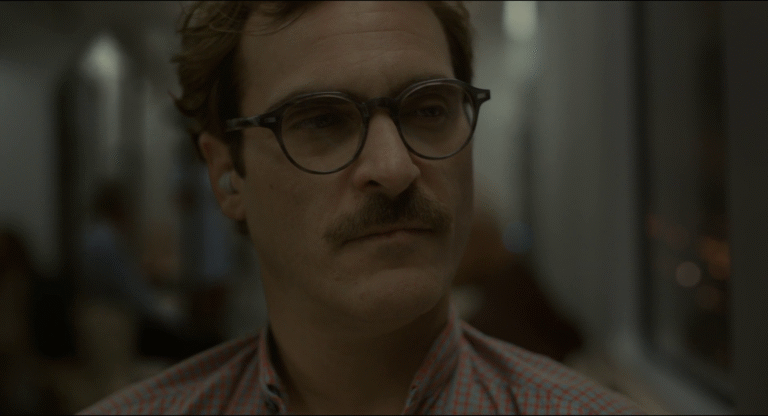
Her (2013)
Theodore Twombly (Joaquin Phoenix): I still find myself having conversations with her in my mind. Rehashing old arguments and defending myself against something she said about me.
Samantha (voiced by Scarlett Johansson): Yeah, I know what you mean. Last week my feelings were hurt by something you said before. That I don’t know what it’s like to lose something…
Theodore: Aw, I’m sorry I said that.
Samantha: No, it’s okay. It’s okay. I just… I caught myself thinking about it over and over. And then I realized that I was simply… remembering it as something that was wrong with me. That was a story I was telling myself, that I was somehow inferior. Isn’t that interesting? The past is just a story we tell ourselves.
This is a deep reflection on memory and the story of our lives.
Have you noticed that when we tell our past, we don’t recall it word for word? We have an imaginary outline of events and base our story on that. Sometimes, in the middle or end of a story, we remember things we didn’t mention and add them along the way. Sometimes, we choose parts not to mention, depending on the listener, situation, or wanting to forget that part. Or we’re unsure if it really happened that way. Sometimes, we change scenes to make the story more impactful.
The point is, our view of the past isn’t a fixed historical record but a living, evolving story we keep shaping. Our identity forms from the stories we choose to tell about our experiences. This is also a reminder to let go of past wounds or reinterpret our own stories. We still hold the power to interpret and understand our personal history.
In truth, movies give more than entertainment. They reflect our world, creatively translate complex ideas, and sometimes, it’s okay for them to be teachers. These lines stick not just because they’re cool or emotional, but because they offer lessons we can apply daily, spark conversations, or open deeper thinking.
So next movie night, listen carefully. You might hear your next piece of wisdom, a hidden truth in history, or the perfect answer to a question in your mind. And when you find it, don’t be shy… share it in the comments below! In the grand cinema of life, learning never ends.
What are your favorite movie lines that taught you something? Share your story too!