
If you think trailers and posters are the only battlefield in movie marketing… think again.
There are movies that didn’t hold back on crazy ideas – some grabbed attention on live TV, created fake websites, spread cursed VHS tapes, and even redesigned 7-Eleven stores to look like a legit Kwik-E-Mart.
In this post, we’ll look at some of the wild and creative movie marketing campaigns that went viral and exploded on the internet, and became one of the reasons (or at least helped) boost ticket sales and make the films profitable.
Smile (2022)
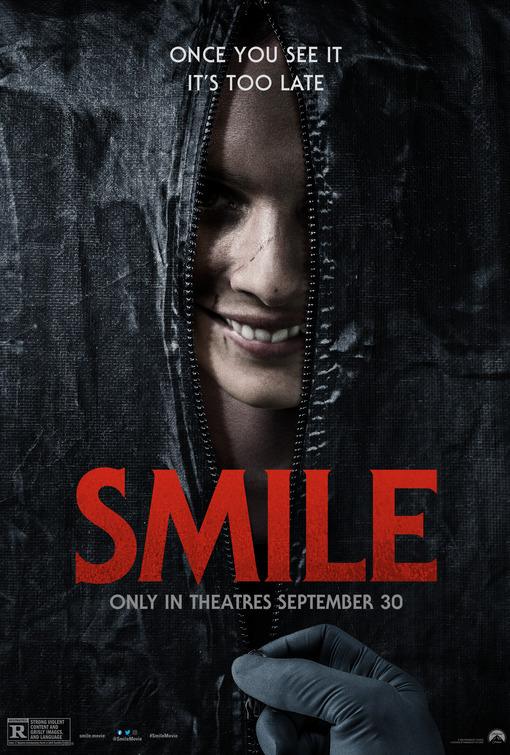
Live Events and Social Media
They hired actors to sit in prime, televised seats during live sporting events like Major League Baseball. They were placed in spots frequently caught by the broadcast camera (e.g., behind home plate). They also had an actor positioned behind the hosts on the Today Show. The actors wore eye-catching shirts (e.g., neon colors) with the word “SMILE.”
Creepy na Visual
These actors were just staring at the camera, completely still, with unsettling smiles – creating a viral and shareable moment that people talked about online.
Viral Success
The campaign went viral on social media, with viewers questioning the behavior of the actors, which sparked public interest and curiosity about the film.
Strategic Goal
Their main goal was to sell tickets by creating massive awareness through a unique, engaging, and disturbing promotional stunt that matched the horror theme of the movie. And yes, their ticket sales increased because of it.
Here’s a summary of their viral marketing stunt from TriplePlay Studios (courtesy of TriplePlay Apps).
The Purge (2013)
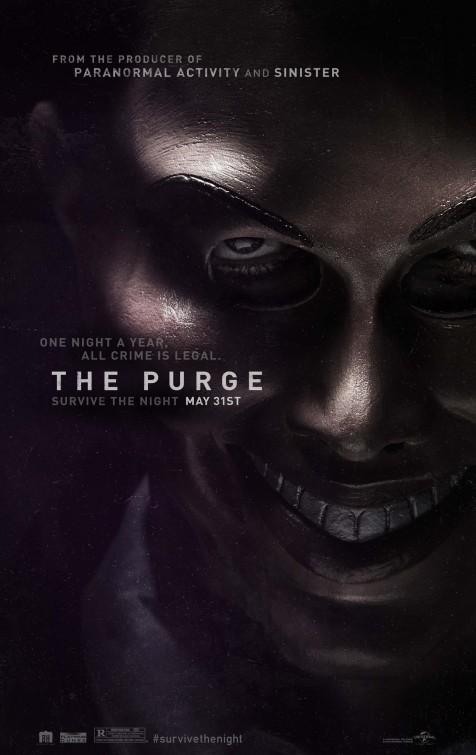
Interactive Content
The campaign used the main question: “What would you do on Purge night?” – to make users imagine the film’s premise and engage with the brand.
Hashtag Campaign
The hashtag #SurviveTheNight was used to encourage fans to share their reactions and build a community around the movie.
Viral Websites
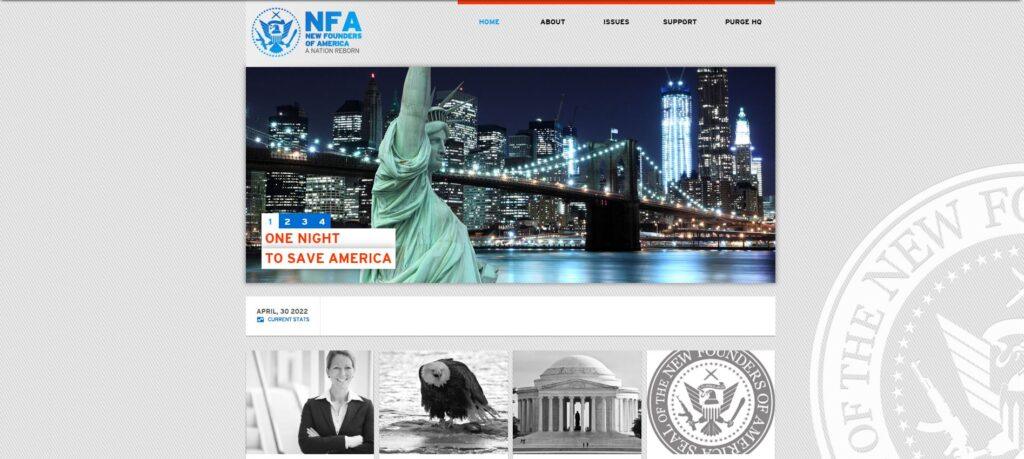
They created promotional websites with immersive experiences, offering in-world details like the history of the “New Founding Fathers,” official texts of new laws, and even recipes for “Purge” parties.
Faux Infomercials
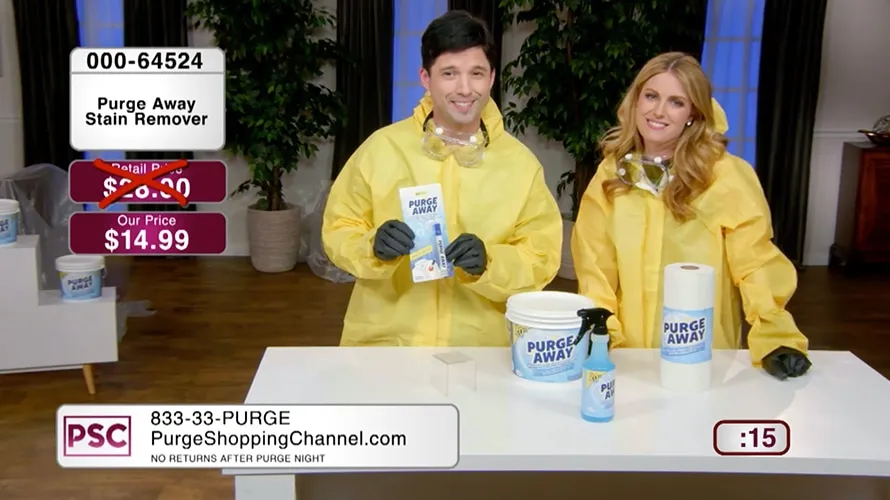
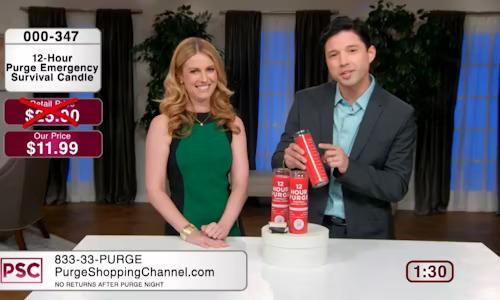
They also released segments that looked like shopping channel ads for in-world products like “Purge Away” stain removers and emergency candles. These aired on TV and online.
Interactive Hotline
Fans were encouraged to call a working hotline shown in the infomercials for a chance to win products. This added to the interactive fun.
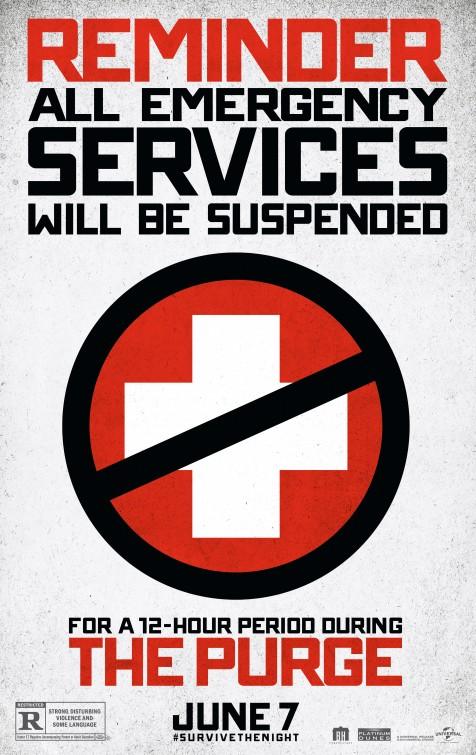
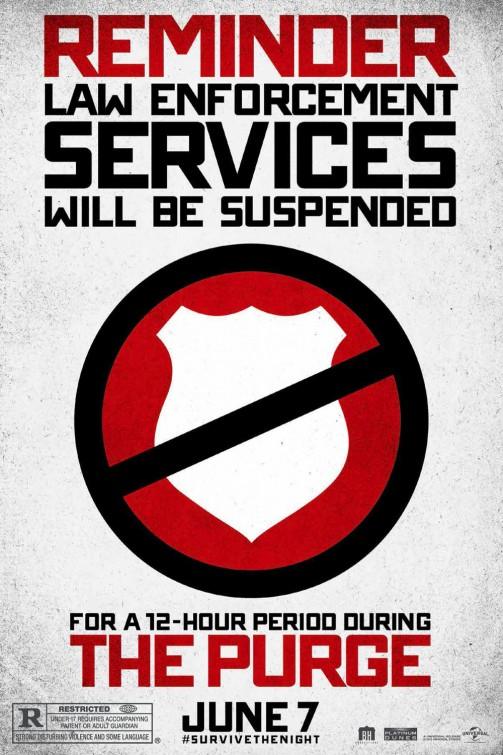
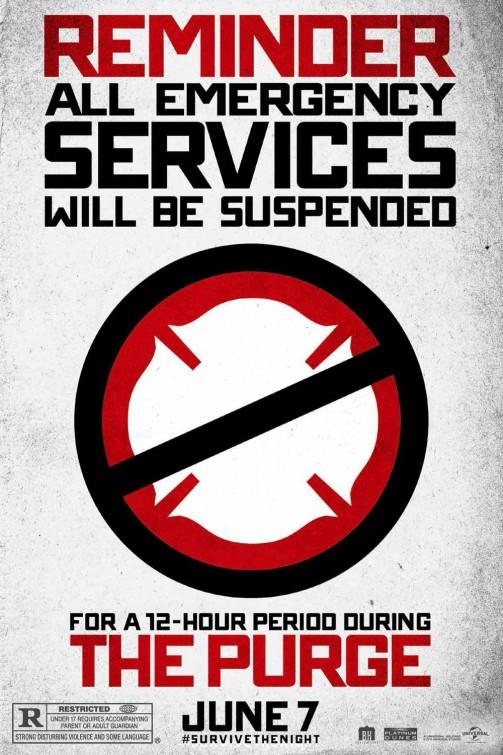
Here’s the viral website of the New Founders of America and some promotional posters and infomercials.
District 9 (2009)
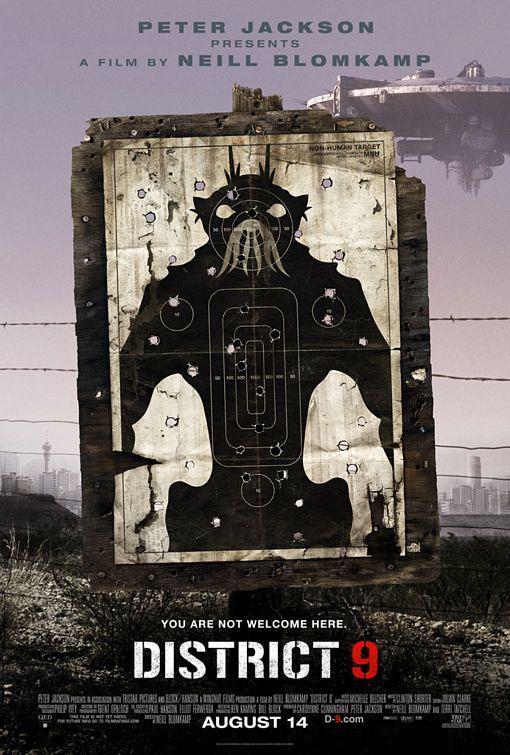
Guerrilla and Viral Marketing
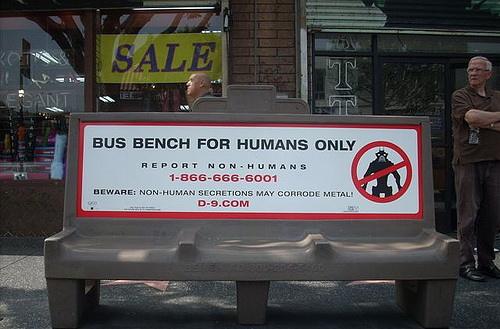
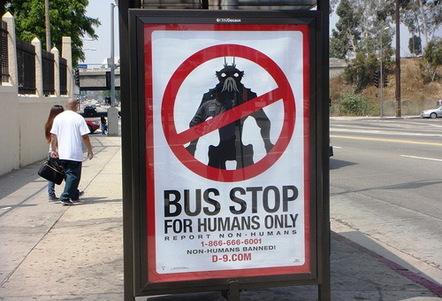
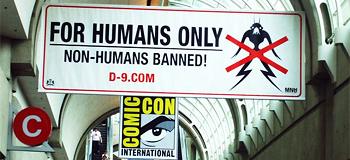
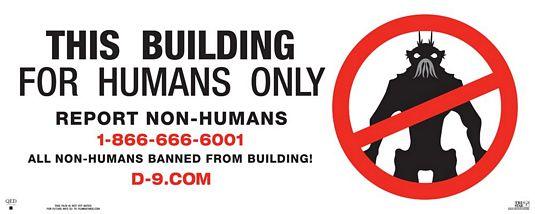
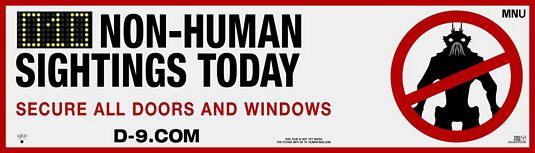
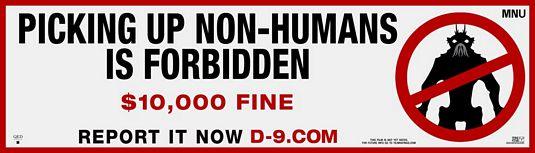
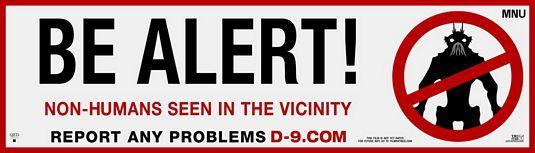
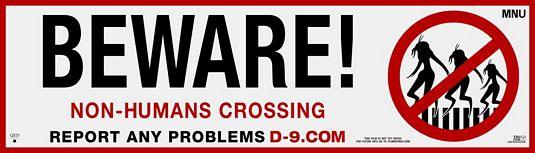
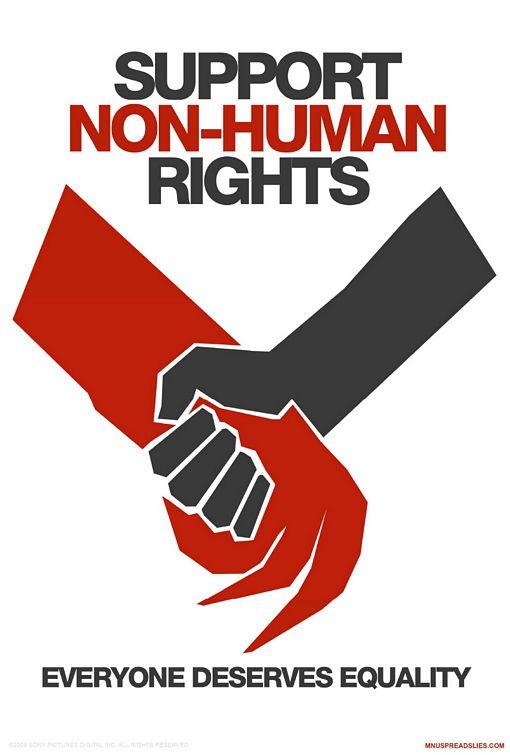
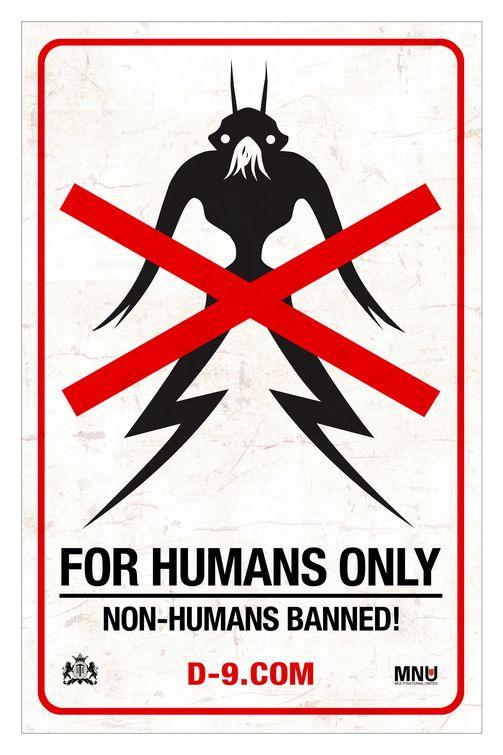
Sony spread cryptic and realistic-looking ads in public spaces like billboards, bus shelters, and benches in cities like New York and London.
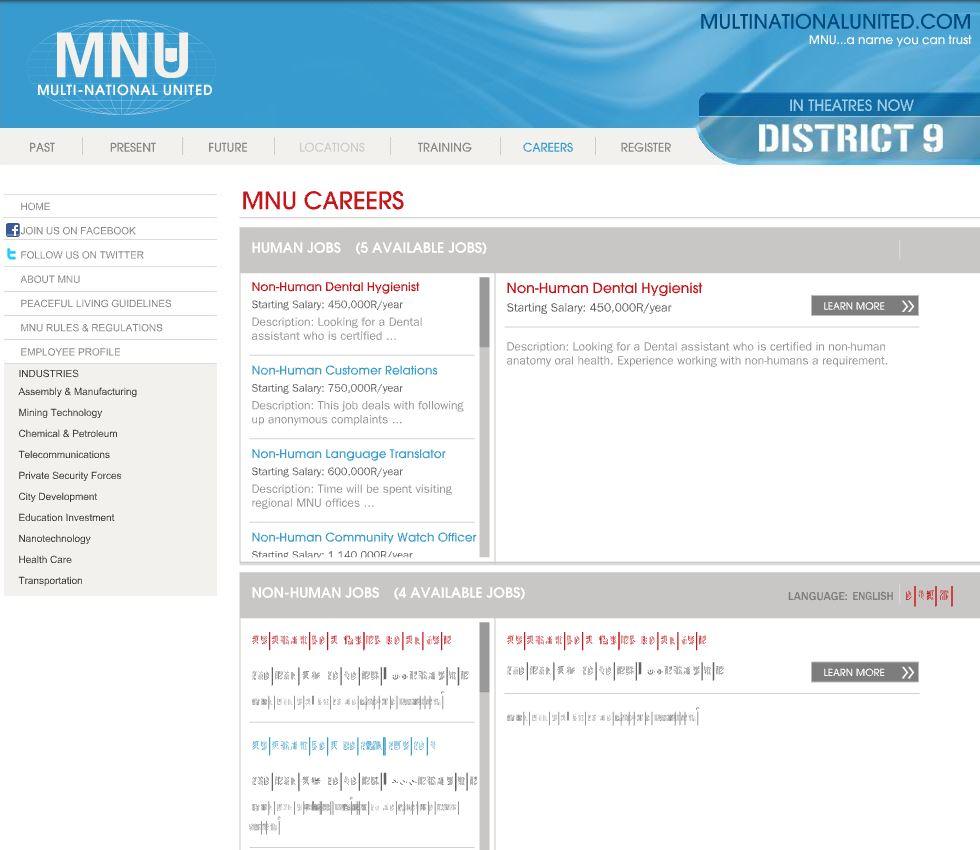
Multi-National United (MNU) Website
One key element was the launch of a website for the fictional MNU corporation from the film, featuring news, alerts, and other content to immerse audiences in the movie’s world.
Interactive Online Presence
The campaign also launched the official movie website, D-9.com, where users could watch the trailer and even play a game as a human or an alien.
They also created a blog that looked like it was written by a character in the film.
Social Media Integration
The campaign used platforms like Facebook and Twitter to expand its reach.
Real-world Interactions
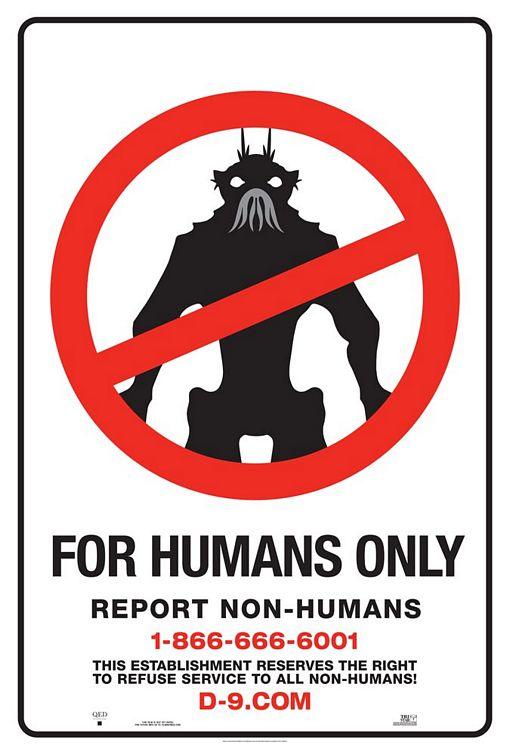
A telephone number was included in the ads, and when called, it connected to an automated message from the fictional MNU.
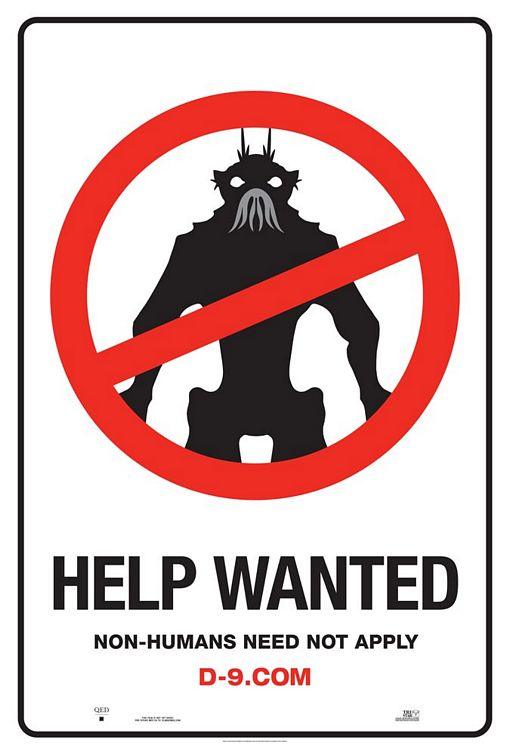
“Humans Only” stickers with the District 9 logo were also placed around public areas.
Here’s the MNU website, along with ads and posters released for the film.
Deadpool 2 (2018)
Leveraging the Brand's Tone
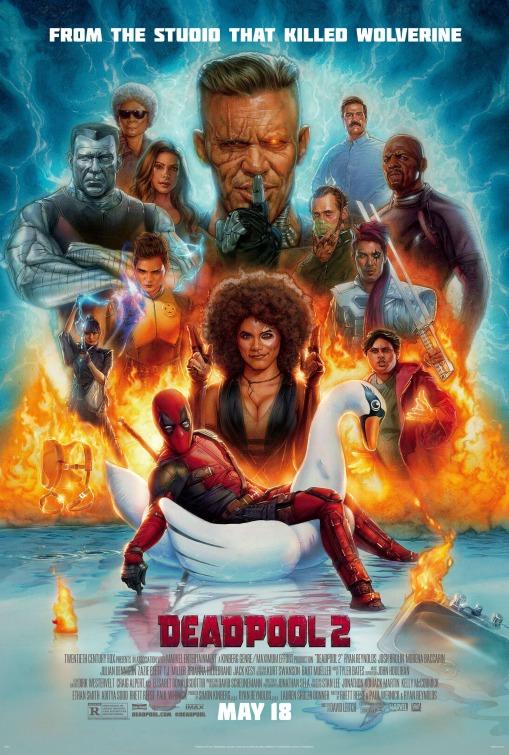
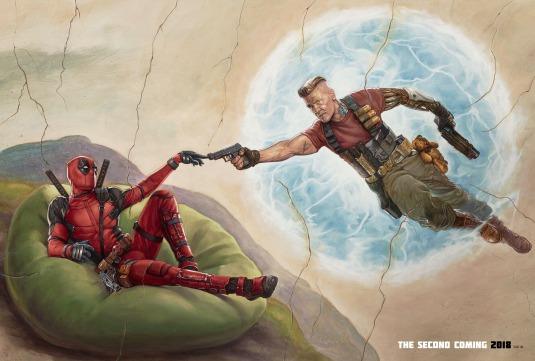
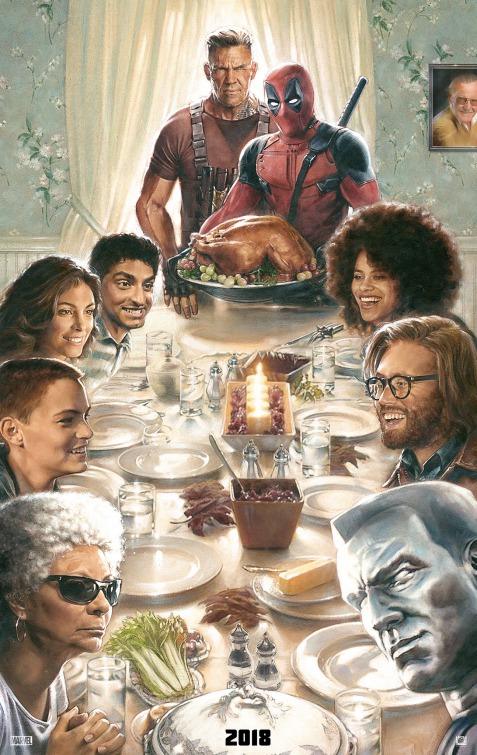
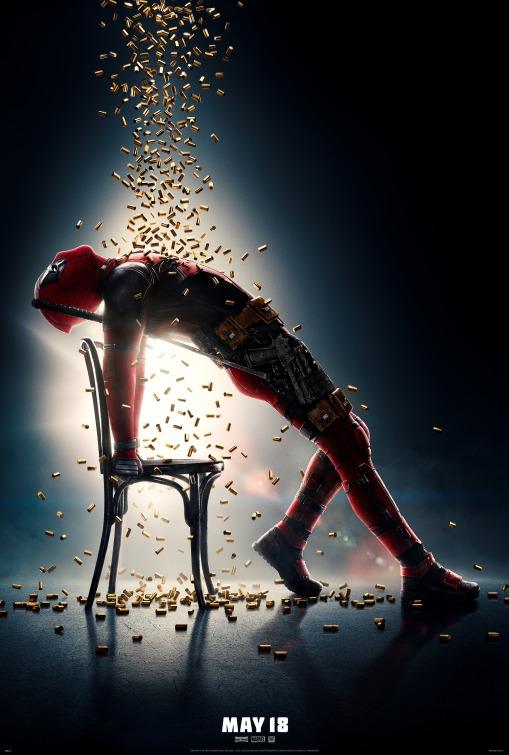
The campaign stayed consistent with the film’s self-deprecating and irreverent tone. This included mocking the studio in posters (e.g., “From the Studio that Killed Wolverine“) and involving actors in humorous “feuds.”
Brand Partnerships
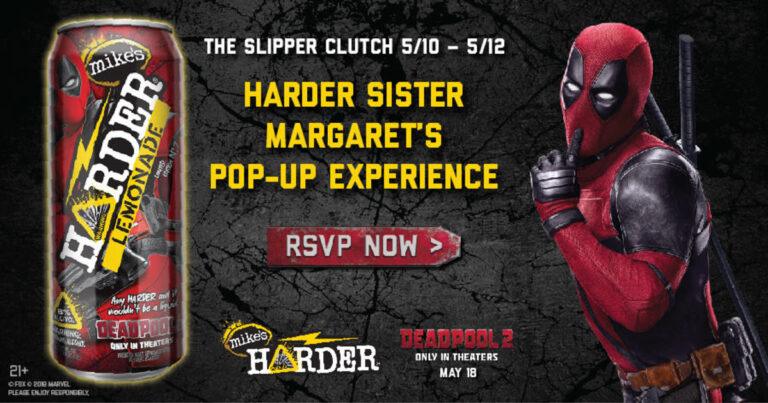
Deadpool partnered with different brands for creative campaigns that often broke the fourth wall, including Trolli, Mike’s Harder, and Walmart.
Social Media and Online Engagement
Their campaign excelled at creating viral moments and engaging content. One example is the “Peter” campaign for the X-Force member that gained a lot of attention. They also released a viral video with Celine Dion and had a Twitter “feud” between Ryan Reynolds and Hugh Jackman.
"Fastvertising"
This strategy involves quickly creating ads based on current events and cultural moments to generate buzz and relevance – something Ryan Reynolds has mastered by frequently posting these types of ads on social media.
Social Responsibility
Their marketing team also included a philanthropic element by partnering with the F Cancer organization to raise funds for breast cancer research.
Here are some of the marketing campaign materials for the film.
Say, “CHEESE!” #TeamSelfie #XForce pic.twitter.com/LM3EGcEKri
— Peter W. (@PeterW_1974) April 27, 2018
When you’re trying to record a heartfelt birthday message .... but are interrupted by the least greatest showman. @VancityReynolds pic.twitter.com/RwlE4IXFX1
— Hugh Jackman (@RealHughJackman) April 27, 2018
This Valentine’s Day let the Merc be your Muse. pic.twitter.com/BZgoXBc9eh
— Deadpool Movie (@deadpoolmovie) February 14, 2018
Happy Birthday to the one and only @BettyMWhite. Cheers to another year of ‘Tinis and Weenies! 🍸🌭 pic.twitter.com/vf3gP0G6pZ
— Deadpool Movie (@deadpoolmovie) January 17, 2018


Carrie (2013)
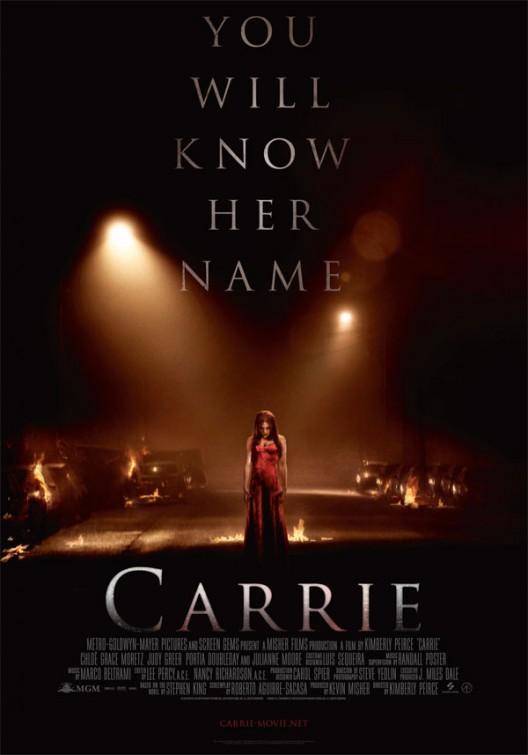
"Telekinetic Coffee Shop Surprise"
The centerpiece of the campaign was a prank video where a woman (an actor) unleashed her telekinetic powers inside a coffee shop in New York City after a man accidentally knocked over her coffee.
Hidden Camera Footage
Captured using hidden cameras, the video showed the authentic reactions of unsuspecting customers as objects started moving, tables flipped, and books flew off shelves.
Massive Online Reach
The video quickly went viral online, gaining millions of views on YouTube and becoming one of the most shared ads of the year.
Social Media Promotion
The film’s stars, Chloë Grace Moretz and Julianne Moore, promoted the video on their social media accounts.
Social Media Presence
Aside from the viral video, the film used platforms like Twitter, Facebook, and Tumblr for promotion.
Here’s the prank video.
The Simpsons (2007)
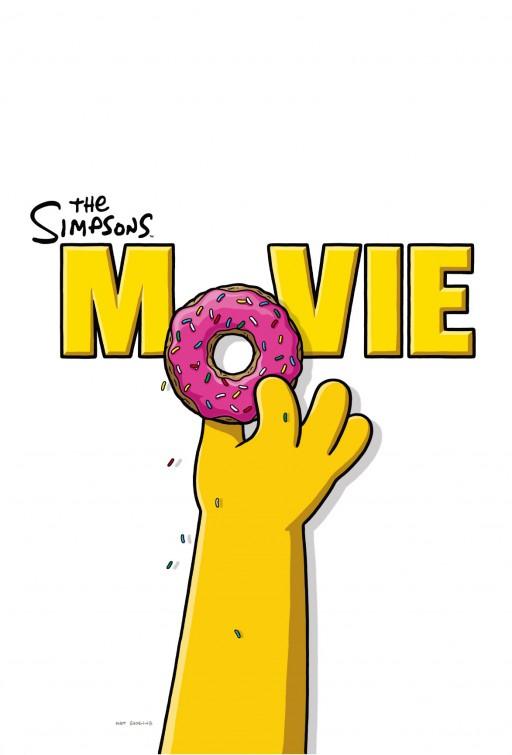
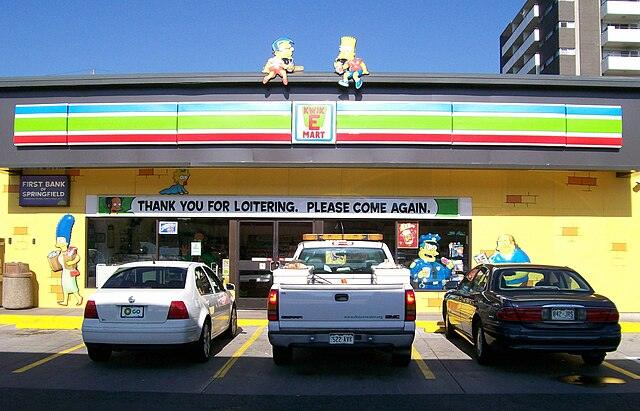
Kwik-E-Mart Takeover
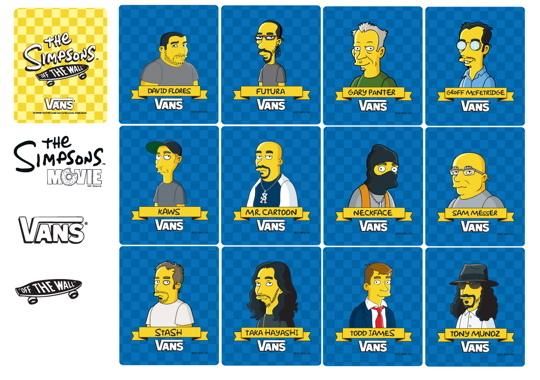
Some 7-Eleven stores were transformed to look like their fictional counterparts from The Simpsons and sold exclusive Simpsons-themed products like Buzz Cola and Squishees.
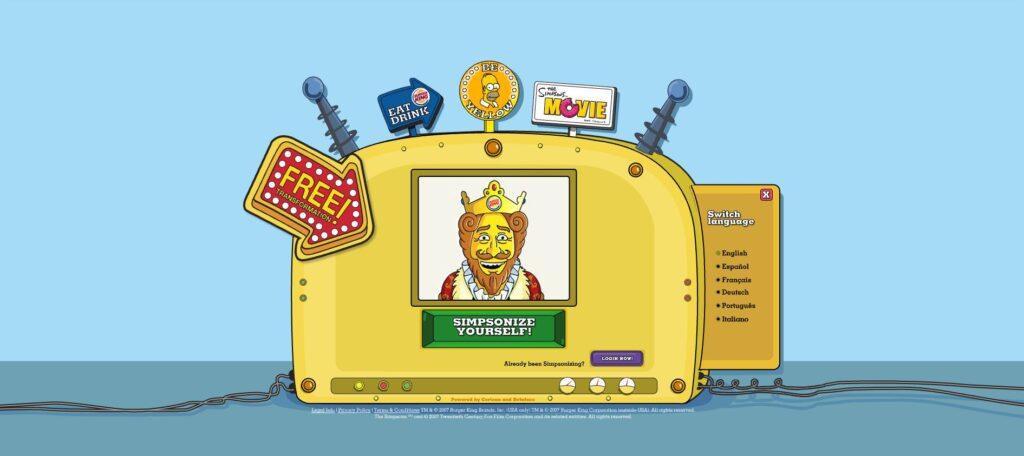
"Simpsonize Me"
A Burger King website allowed millions of users to create their own Simpson-style avatars.
Airline at Shoe Collaborations
JetBlue became the “Official Airline of Springfield,” while Vans partnered for a limited-edition line of Simpsons-themed shoes.
Burger King Promotion
Burger King also released collectible toys and a special “yellow”-themed meal.
Public Installations
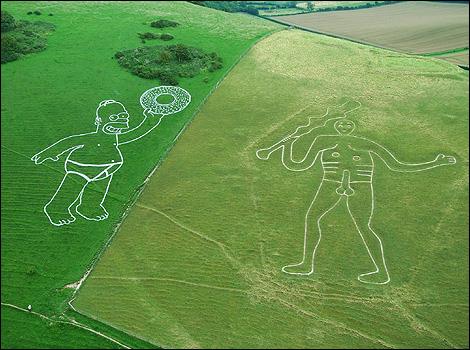
A 180-foot chalk drawing of Homer was created in the United Kingdom.
Online at Gaming Initiatives
Flash games and the “Simpsonize Me” website became popular online promotions, and The Simpsons Game was released alongside the film’s DVD.
Here are some photos of their campaigns.

Cloverfield (2008)
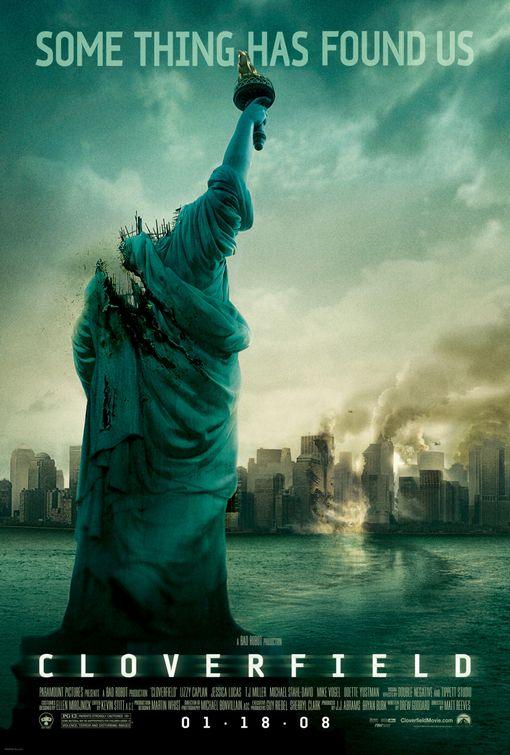
Enigmatic Teaser Trailer
The initial teaser was released without the movie title – only showing the release date (1-18-08) and the name of the producer (J.J. Abrams).
Website-based Clues
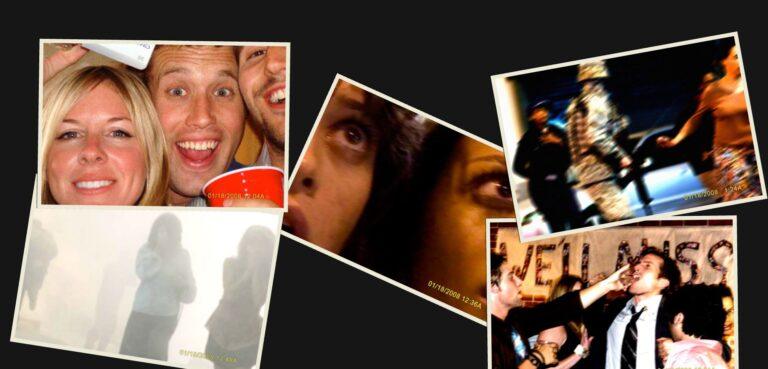
They created a website with time-coded photos that fans had to piece together to uncover the story.
Fictional Character at Company Websites
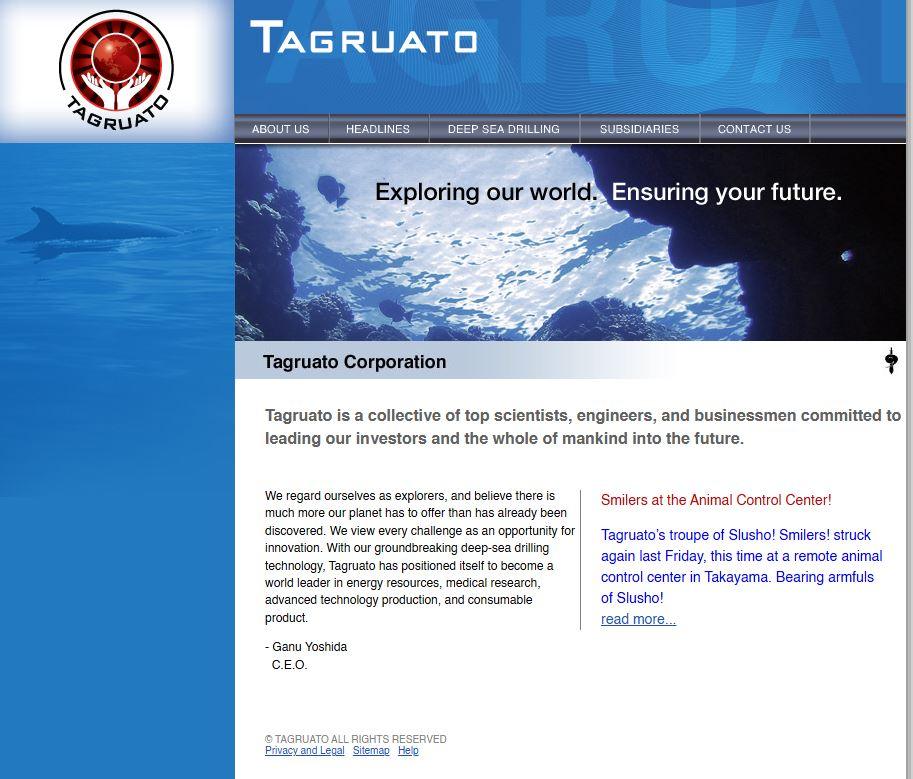
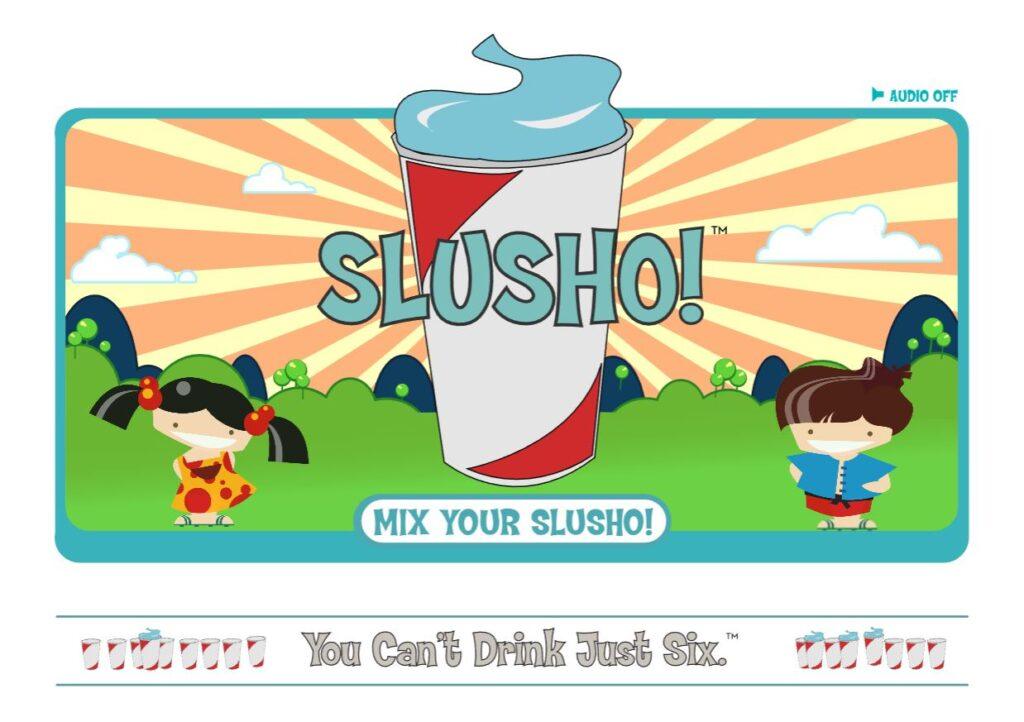
The campaign included MySpace pages for main characters and websites for fictional companies like Tagruato (a deep-sea oil drilling company) and Slusho! (a frozen drink brand).
Alternate Reality Game (ARG)
These fictional companies and character profiles were part of a larger ARG, with Slusho! eventually tied to the monster’s origin as a food source connected to a substance discovered by Tagruato.
Content at Community Engagement
The campaign encouraged speculation, with fans creating their own websites, forums, and content to solve the mystery and discuss the film’s backstory, expanding the “Cloverfield universe” beyond the movie itself.
Product Tie-ins
The fictional Slusho! drink, which had appeared in other shows, became a key element of the campaign.
Downloadable Content
They also released a downloadable widget with film clips and even offered a monster roar ringtone via text.
Here’s the teaser trailer (via Trailer Guy) and some campaign materials.
The Ring (2002)
Anonymous VHS Tapes
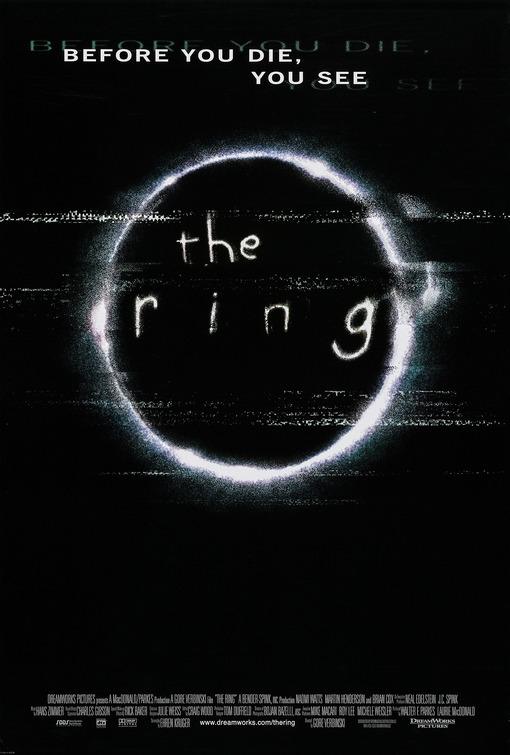
Blank VHS tapes containing a ~90-second cursed video were left on car windshields and in random locations. These tapes had no indication of their origin.
Website
An interactive website allowed users to email the cursed video to friends, continuing the “seven days to live” myth.
TV Ad Hijacking
Short, unbranded clips from the cursed video were inserted into late-night TV commercials, confusing and scaring viewers.
Viral Spread
The campaign was designed to take on a life of its own, encouraging people to search online for answers and spread the word about the mysterious video.
Here is the promotional ~90-second cursed video (via retro VHS trailers) that was included in the blank VHS tapes they distributed.
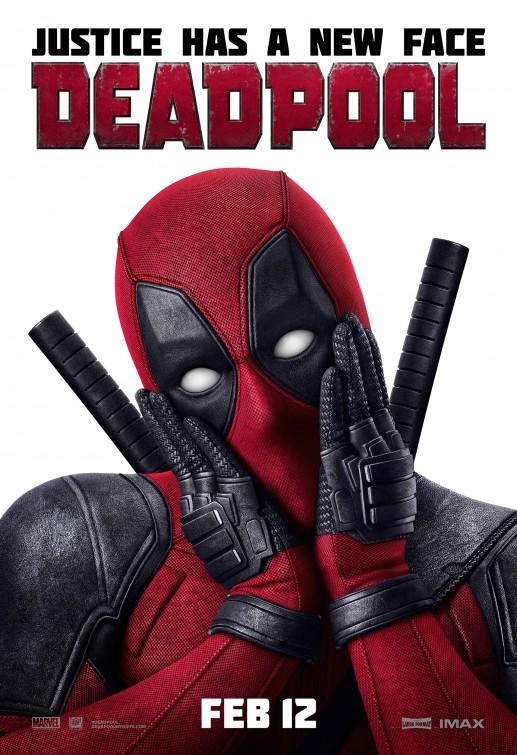
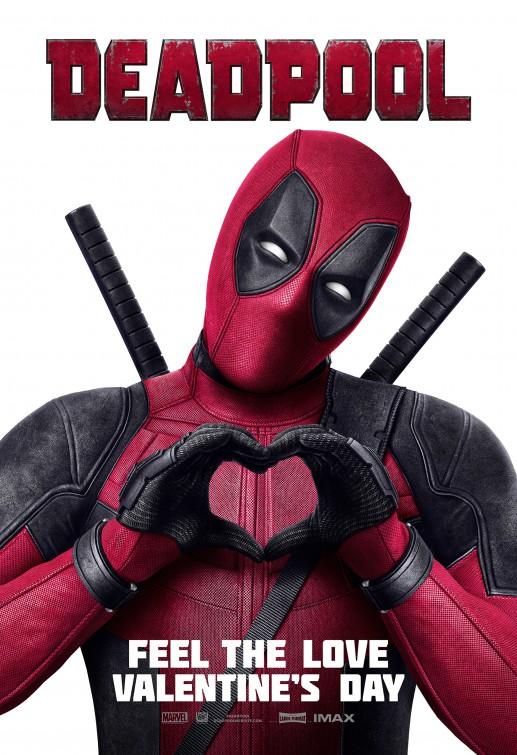
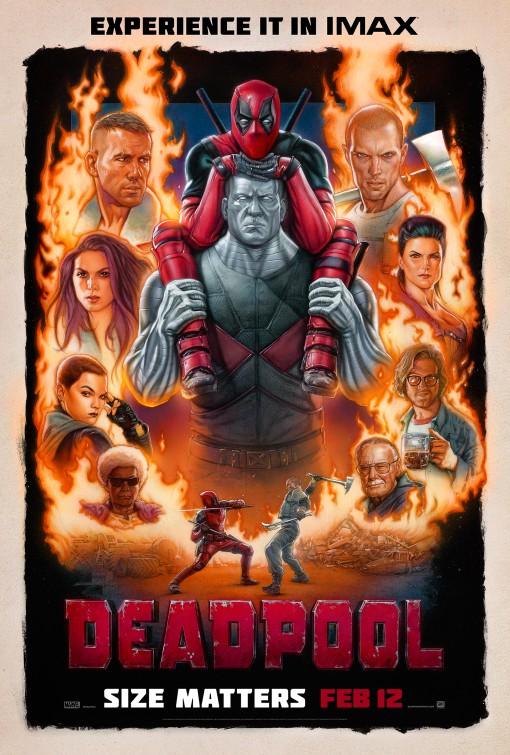
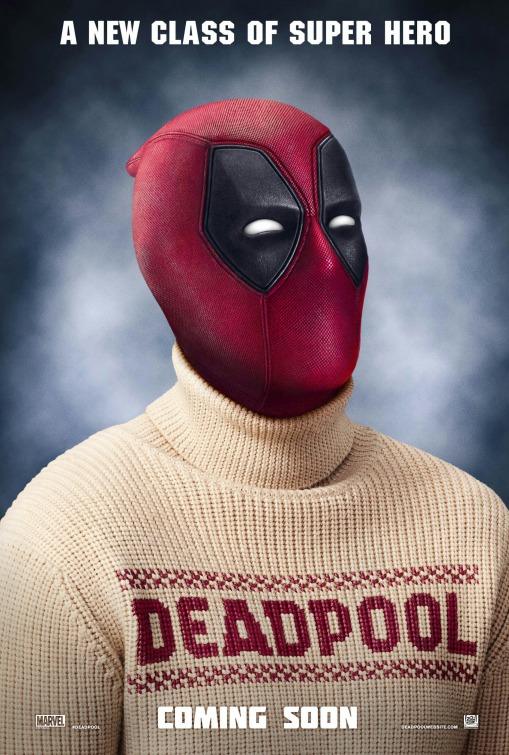
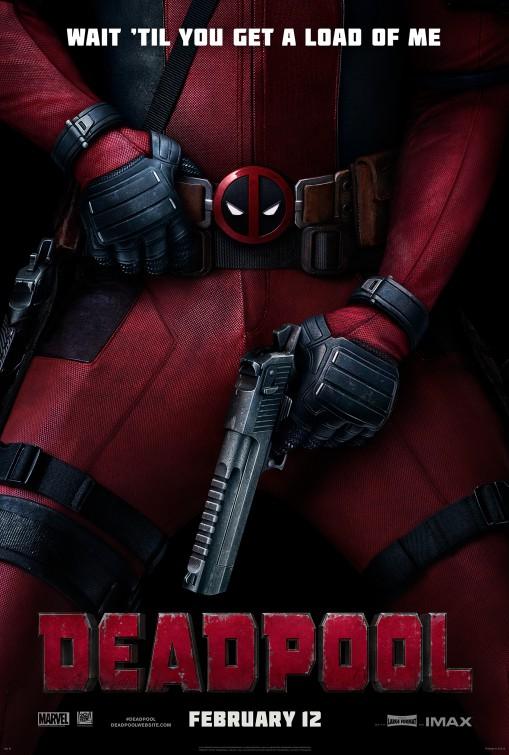
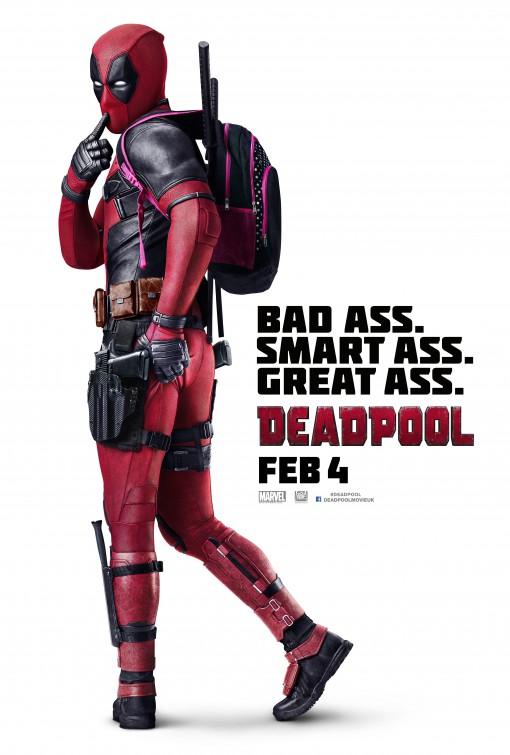
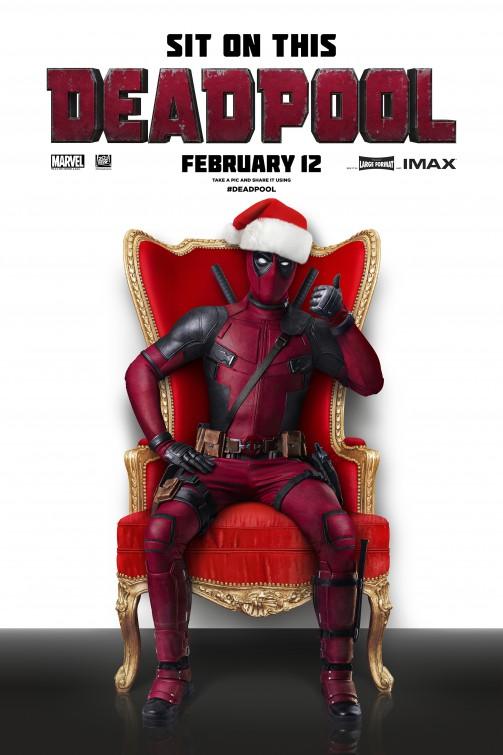
Deadpool (2016)
Meta-humor
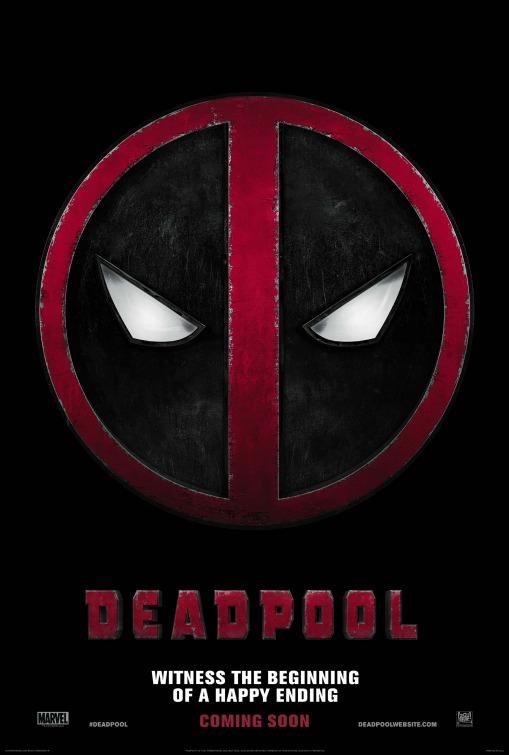
The campaign consistently broke the fourth wall, with the character directly addressing the audience and making fun of other superhero movies, including his previous appearance from the studio.
Viral Content
Instead of relying only on traditional trailers, the campaign used low-budget but high-engagement videos on platforms like YouTube that felt more like real content than ads.
Self-deprecating Ads
They even made fun of the studio’s previous Deadpool attempt – a bold and effective move.
Brand Collaborations
The marketing team partnered with other brands for creative, in-character promotions.
Print at Billboards
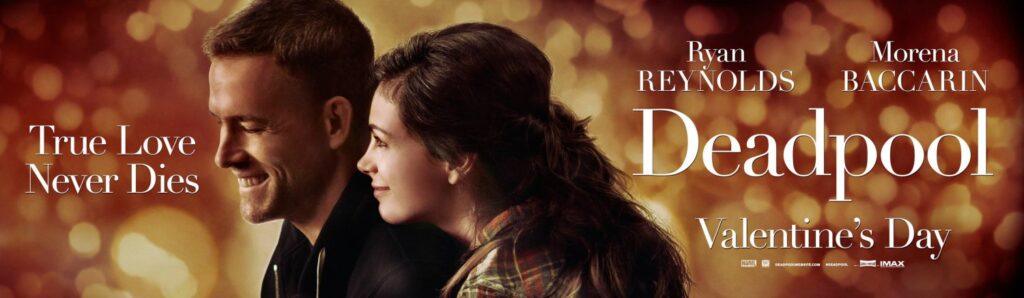
Even traditional ads like billboards and posters were used for comedy, including one that spoofed a typical romantic comedy film.
Here are some of the viral campaign materials.

Dear Fox, stop changing the timelines. It's confusing the audience. #xmenassemble #happyhalloween pic.twitter.com/XkhejBLRWS
— Ryan Reynolds (@VancityReynolds) November 1, 2015
#Deadpool wants to see what you’re packing. Show off your #TickPics today. https://t.co/uBUGirtH3T pic.twitter.com/7q3g4unGXq
— Deadpool Movie (@deadpoolmovie) February 11, 2016
The Blair Witch Project (1999)
Fictional Website
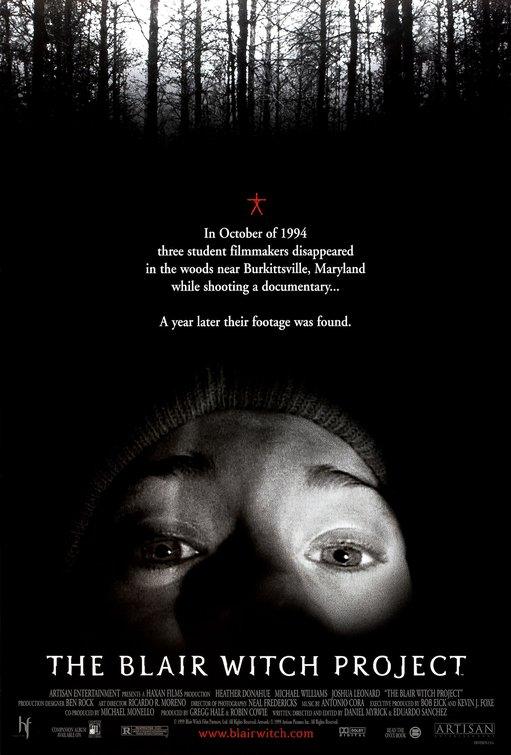
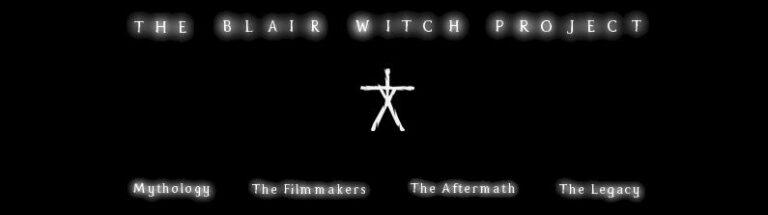
The filmmakers launched blairwitch.com months before the film’s release, featuring fake police reports, interviews, diary entries, photos of the missing filmmakers, and a timeline of the witch’s history to make the story feel real.
Missing Person Flyers
Flyers with the actors’ faces were spread in public places, encouraging people to help find them and making it seem like they were actually missing.
Faux Documentary
A companion mockumentary titled “Curse of the Blair Witch” aired on the Sci-Fi Channel, featuring interviews with fictional locals about the legend.
Altered IMDb Pages
The actors’ IMDb pages were edited to list them as missing and presumed dead.
Strategic Release
The film was first shown in colleges to build word-of-mouth buzz among receptive audiences.
Limited Traditional Advertising
Instead of relying on traditional trailers, the campaign aimed to create doubt and mystery so curiosity would spread organically through forums and word-of-mouth.
Cast at Crew Silence
The actors were restricted from doing publicity interviews to maintain the illusion that the story was real.
They are the OGs of “viral marketing.” Back then (1999, pre-social media era), there was no strong fact-checking culture yet. So when the filmmakers released fake police reports, missing person flyers, “documentary” interviews, and a website full of “evidence,” many people believed the story was real. People talked about it in forums, chatrooms, college campuses, and even newspapers, giving them massive free publicity. And the film itself looked like genuine home footage: shaky camera, amateur acting, messy shots. The absence of public appearances from the actors also helped strengthen the illusion. They let the audience decide if what they watched was real or not.
Here are some of their marketing strategies.


Nowadays, sometimes a good trailer is not enough. You need a gimmick. And if there’s proof that creativity can be a weapon, these films are the evidence.
If you want to see more unusual marketing, pop culture goodness, or internet weirdness, just leave a comment and let me know 😎🎬