
Before Netflix, other streaming apps, and the “skip intro” existed, we Filipinos used to watch movies through several traditional ways – some of which became a big part of our culture. From the KKK or Kataas-taasan, Kasuluk-sulukan at Kadilim-diliman (highest balconies, the farthest corners, and the darkest parts) of movie theaters, to renting Betamax tapes and buying pirated DVDs, we found ways to enjoy and be entertained while savoring every scene of a film.
Here’s a glimpse of how our movie-watching evolved before we were taken over by streaming platforms. Let’s rewind a bit.
1. Cinema
"Kung gusto mo ay manood ka na lang ng sine. 'Di Ba Huwebes ngayon baka may bago ng palabas"
(If you want, just go watch a movie. Isn’t it Thursday today? Maybe there’s a new film showing.)
(lyrics from the song “Torpedo” by Eraserheads)
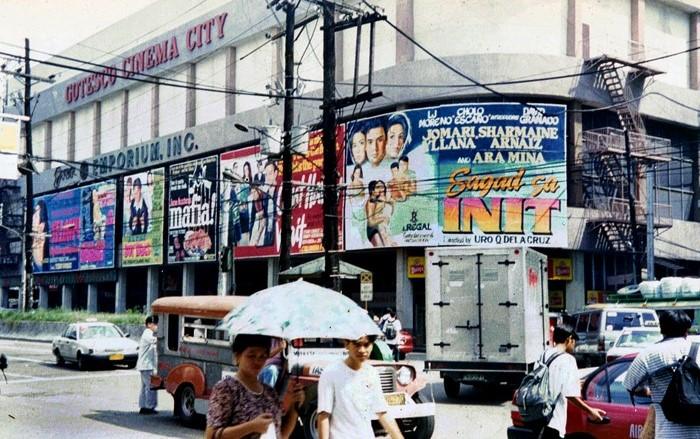
Once upon a time, when someone invited you to watch a movie, it really meant going out and lining up at a cinema – not opening an app on your phone, computer, or TV. Watching in cinemas (movie theaters) was one of the main ways to watch films since the 1950s.
There were cinemas in malls, in town plazas, and even stand-alone theaters in the provinces. Some were air-conditioned, some only had electric fans that were louder than the movie itself, and some were basically “bring your own pamaypay” (hand fan). There were also theaters that offered “double (or triple) features,” meaning you could watch two (or three) movies for the price of one ticket. I think this was the ancient version of a movie marathon.
One memory I will never forget is when I was still a scruffy little kid, my parents brought me to watch Rocky IV in the cinema. The place was packed. Many people were already standing, including us, at the balcony. Before the movie started, they showed trailers of upcoming films. Maybe the audience got impatient, because they suddenly started shouting “Rocky! Rocky! Rocky!” in unison. The cinema staff had no choice but to cut the commercials and play Rocky IV immediately. Everyone clapped and cheered. And during the boxing match between Rocky Balboa and Ivan Drago, moviegoers were actually cheering for Rocky.
Watching movies in cinemas is still a thing today, but not like before. According to a study, only 21% of respondents in a survey still watch in cinemas. Some reports also say that socio-economic classes D & E and parts of class C rarely go to cinemas anymore because ticket prices are expensive and they now have other options, which is piracy streaming. The cinema experience has become more selective – usually for “event” films like MCU movies, major releases with very popular actors and big budgets, or those with special formats like IMAX or 4D.
2. Television
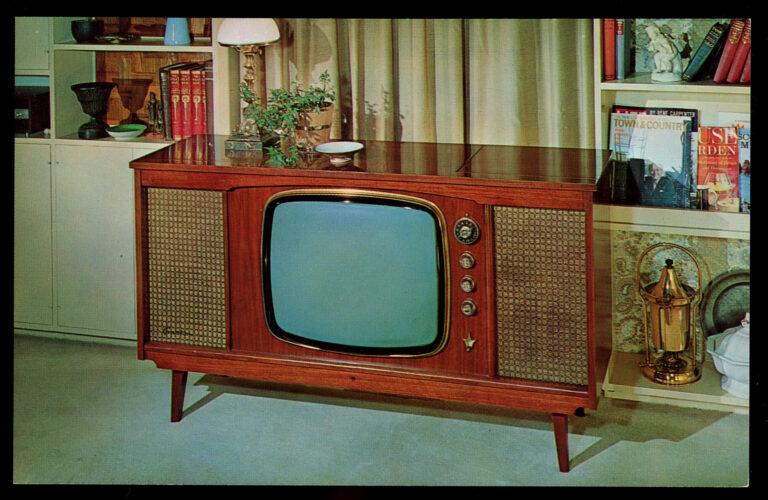
If you couldn’t go to the cinema because you didn’t have money, you could just watch movies on television. Starting in the 1970s, free TV channels (like RPN, IBC, ABS-CBN, GMA) began showing both local and foreign films.
The only issue is that movies on free TV were often edited because of censorship or long running time. Bad words were cut, and scenes that were too sensual or too violent were removed. Still, part of its charm was how the whole family (and sometimes neighbors) gathered together and looked for a good spot in front of the TV. They would laugh, cry, and shout together in every scene.
I still remember shows like FPJ on GMA, GMA’s Best, Piling-Piling Pelikula, Pinoy Blockbusters, Saturday Night Blockbuster, SNBO: Sunday Night Box Office, Sunday’s Big Event, and many more. I also watched most of Ramon Revilla’s movies on TV – the ones about anting-anting (magical amulets). My father used to joke that he could summarize all Ramon Revilla movies for me: “Magsisimula sa bata pa lang siya, magkakaroon siya ng agimat o anting-anting, at mamamatay siya sa dulo.” (It starts when he is young, he gets an amulet, and he dies at the end.) Then he would switch the channel to watch a foreign film or boxing match.
Even today, you can still watch movies on free TV. Sometimes, foreign films are even dubbed in Tagalog.
3. Betamax and VHS
"Wala pa nung CD o DVD, ang meron lang Betamax"
(There were no CDs or DVDs yet, only Betamax)
(lyrics from the song “Betamax” by Sandwich)
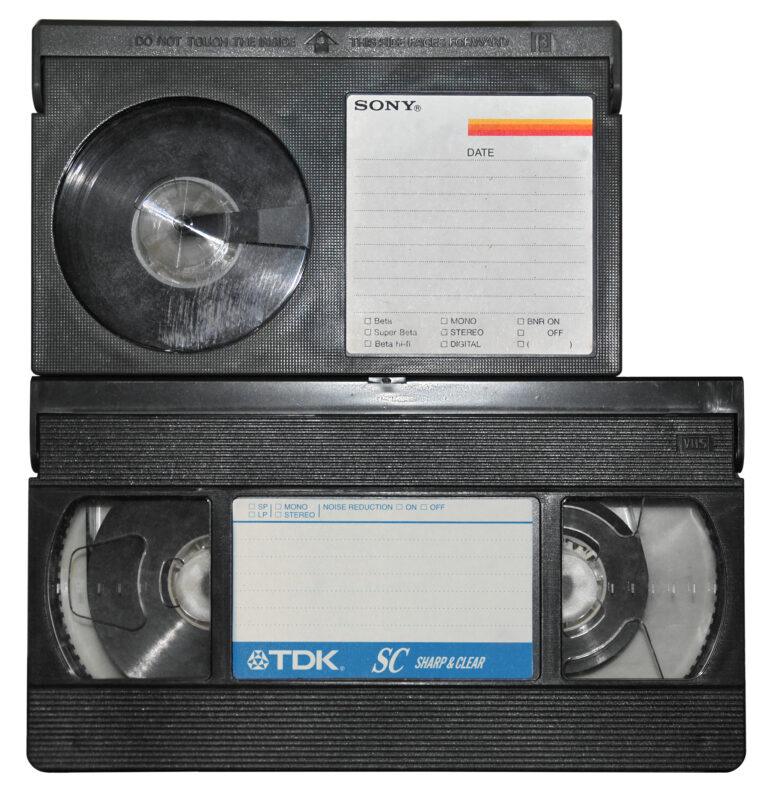
From the 1980’s to the 1990’s, Betamax and VHS rentals became popular. Families would usually rent movies to watch together during weekends.
Betamax came before VHS. It was smaller and had better picture quality, but shorter recording time, so one movie often required two tapes. VHS was bigger and could record longer.
You needed to have a rewinder at home because tapes had to be rewound to the beginning before returning them to avoid penalties. Betamax/VHS players had a rewind feature, but people avoided using it because it was said to damage the player.
We never owned a Betamax or VHS. I usually watch from houses of friends who owns a Betamax or VHS player. I can group my experience with them into three memories:
First, during elementary days, we rented tapes of WWF (now WWE) main events like WrestleMania, SummerSlam, Survivor Series, and Royal Rumble.
Second, in high school, we rented porn (with occasional drinking sessions) before going to school.
And third, in college, at a classmate’s house, he would rent new movies that we watched while hanging out or working on group projects.
4. VCD and DVD
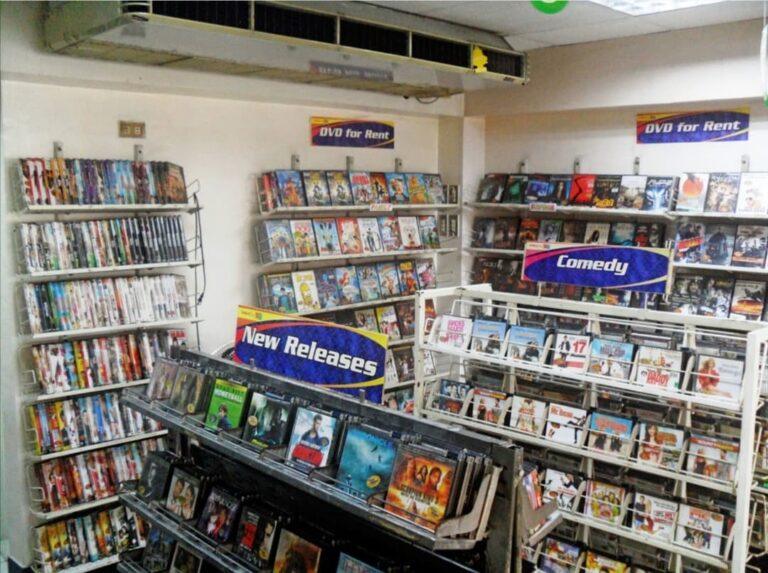
In the late 90’s, VCDs became popular, and around the 2000s, DVDs took over.
VCDs had smaller capacity (650–700MB) and lower video quality (240p, 288p), compared to DVDs which had larger capacity (4.7GB) and better resolution (480p, 576p). Usually, one movie needed two VCDs, while DVDs had menus and extra features (behind the scenes, interviews, deleted scenes).
VCD/DVD players with karaoke combos also became popular. They came with microphones and karaoke song discs. Some DVD players even had built-in game console emulators, complete with controllers and classic video game discs.
With the rise of VCDs and DVDs, movie piracy also became widespread because they were much cheaper than originals. So even if a movie just premiered in cinemas, you could already buy a copy the next day. But since they were recorded from cinemas, the quality was often poor – blurry video, messy audio, tilted or cropped screens, people standing up, and you could hear the audience laughing and making noise.
Around the early to mid-2000’s, near our City Hall, there was a Video City where I rented VCDs every Friday after work. On payday, my office friends and I would go to Quiapo to buy pirated VCDs and DVDs. Just for the record, I also bought originals when they were on sale.
5. Cable and Satellite TV
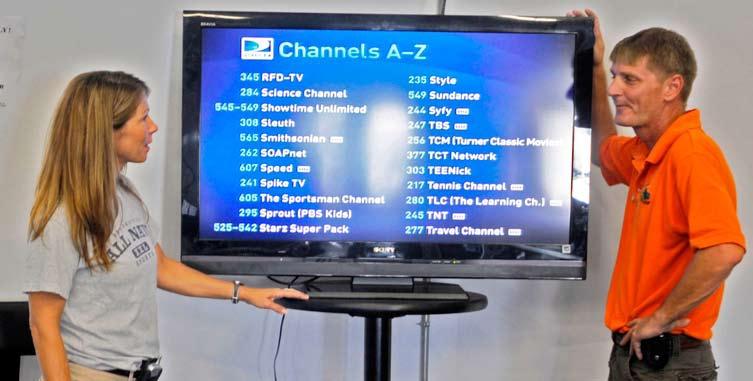
In the mid-90’s, cable and satellite TV became popular, offering many channels where you could watch movies like HBO, Cinemax, Star Movies, Cinema One, and more.
With cable, you had 24-hour access to movies, so no matter what time you watched, there was always something playing. And one advantage compared to free TV? No commercials!!! Though from what I remember, there was still some censorship.
If today people share streaming accounts, back then people used cable splitters secretly installed so neighbors could share subscriptions and split the bill.
I also remember buying magazines that listed all the cable shows for the whole month. I would mark the movies I wanted to watch. Because with cable, you couldn’t rewind. If you missed the beginning, you just had to wait for the next airing.
I’m not entirely sure about this memory, but when I was in college, the Wowow channel — known for showing uncut movies — had a 3-day non-stop broadcast of Woodstock ’99.
Currently, I’m subscribed to Cignal TV, a Direct-to-Home (DTH) satellite television provider. My parents are still more used to channel surfing than browsing or searching on Netflix. And of course, it’s also for local shows like Eat Bulaga and Batang Quiapo.
6. School and Community Screenings
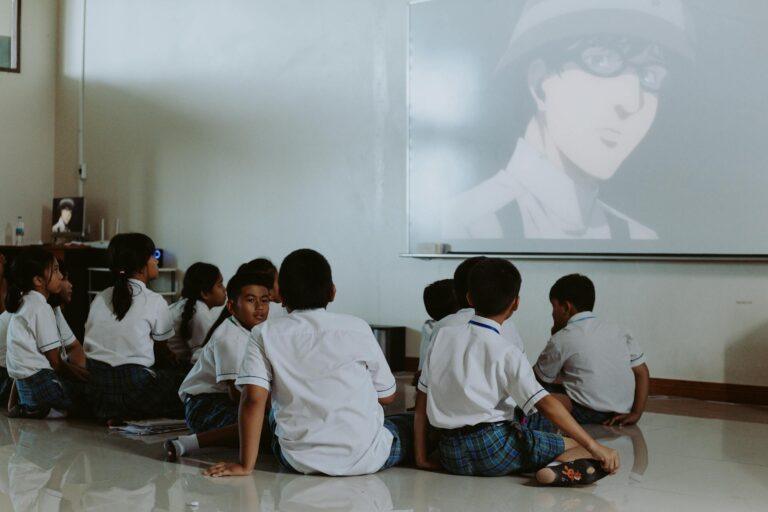
Some schools or barangays organized movie screenings using projectors – usually educational or popular family films.
In schools, movies were often projected on white walls or whiteboards. Back in my elementary days (late 80’s), we students were packed into two combined classrooms. All windows were closed, broken ones covered with illustration boards. Everyone sat on the floor. No noise and no standing allowed. I remember all of that – except the movie we watched. My daughter told me they also had film showings during her elementary and high school years.
During town fiestas, open-air screenings were also common. A large white cloth served as the screen, and benches were set for viewers. I experienced this as a kid. The movie shown was an old film about Jesus. The only thing I remember is a scene where Jesus almost tripped while walking. I couldn’t forget it because we, my neighbors and playmates, laughed so hard during that scene. After that, the night suddenly became full of mosquitoes.
7. Film Festivals and Special Events
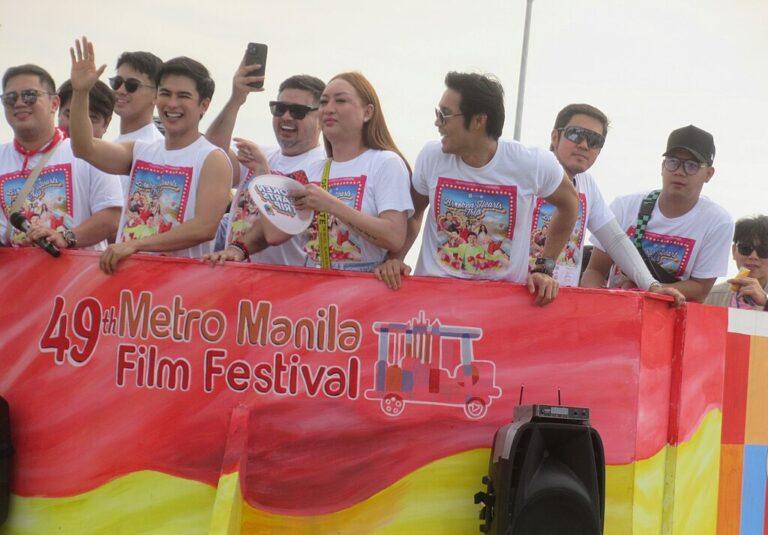
A special mention: the Metro Manila Film Festival (MMFF), held every year, encourages people to go to cinemas and support local films. During Christmas season, foreign films take a break, and only Filipino entries are shown in theaters.
Aside from that, university film clubs and even the Cultural Center of the Philippines (CCP) sometimes screen art and indie films.
And then came Streaming...
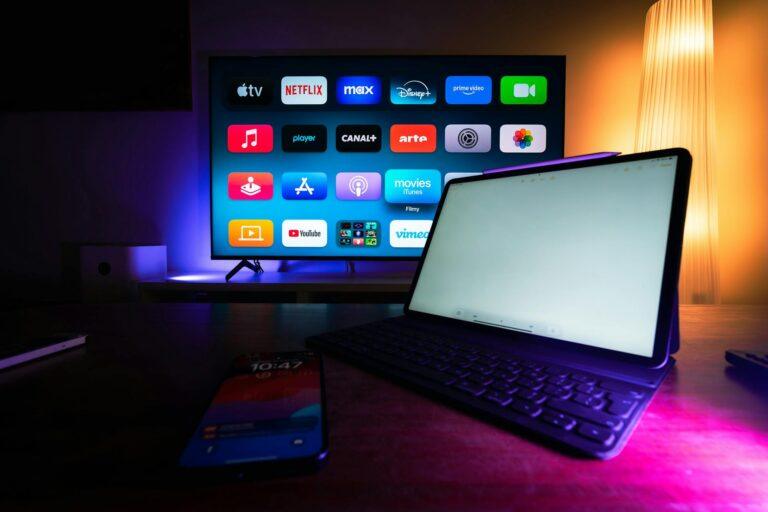
Now, we can watch anything, anywhere – alone or with someone, in the quiet of your own room or while commuting, with or without subtitles. But sometimes, we still miss the good old days: the long lines at the cinema, the laughter and applause of the crowd, the sound of rewinding a Betamax tape, blowing and wiping a stubborn DVD that won’t play.
According to a 2024 report, 97.2% of Filipinos aged 16–64 watch online videos every week. Another 2024 survey says 66.5% of Filipinos aged 10–64 have experienced watching via streaming platforms. And this year (2025), one report says 67.1% of Filipinos pay monthly for digital content (streaming services/subscriptions). What that means is, many Filipinos say they are struggling and their salary is not enough… but they’ve already watched K-Pop Demon Hunters 😁✌️
Back then, watching movies was not just simple viewing. It was often a shared moment – a community event, a family tradition, a bonding time among friends – a part of Filipino life that connected us even before we became slaves of the internet and streaming services.